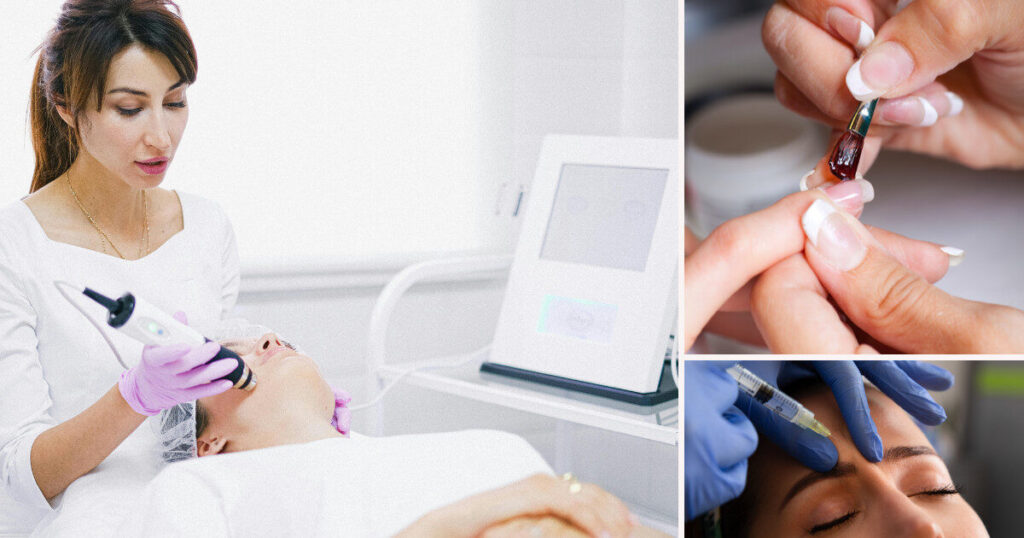
The Bulgarian beauty industry is thriving, with many professionals opting for freelance work or establishing their own salons. For hairstylists, makeup artists, nail technicians, estheticians, massage therapists, and salon owners alike, understanding Value Added Tax (VAT) obligations is critical for legal compliance and business success. Bulgaria’s VAT system, aligned with EU directives but with specific national requirements, has seen important changes in 2025, necessitating that beauty professionals stay informed. The sector’s diverse services, client mix, and rise of mobile services present unique VAT compliance challenges. Proper VAT management is essential not only for avoiding penalties but also for optimizing profitability and business growth.
Current VAT Registration Thresholds in Bulgaria
The 2025 Threshold Changes
Bulgaria has implemented significant changes to its VAT registration requirements in 2025. As of April 1, 2025, the threshold for mandatory registration for Value-Added Tax (VAT) drops from BGN 166,000 taxable turnover back to the previous level.
The VAT registration threshold situation in Bulgaria has been particularly dynamic in 2025:
- January 1 – March 31, 2025: The VAT registration threshold was increased to BGN 166,000 (about EUR 85,000) from the former BGN 100,000 (around EUR 51,000)
- April 1, 2025 onwards: Bulgaria lowered its VAT registration threshold to BGN 100,000 from April 2025
What This Means for Beauty Professionals
For beauty freelancers and salon owners, this means that if your annual turnover exceeds BGN 100,000 (approximately €51,000), you are required to register for VAT. This threshold encompasses all taxable supplies within a 12-month period, regardless of whether you operate as a sole trader or through a company structure.
The threshold calculation includes all your business income from beauty services, product sales, and any other taxable activities. It’s important to monitor your turnover carefully throughout the year to ensure timely VAT registration when approaching the threshold.
Professionals should closely monitor their turnover, as demand for beauty services, particularly in major cities, can lead to exceeding the threshold rapidly.
Consider the example of a beauty professional offering the following services:
- Hair services: BGN 40,000 annually
- Nail services: BGN 25,000 annually
- Product sales: BGN 20,000 annually
- Makeup services: BGN 18,000 annually
This professional would have a total turnover of BGN 103,000, exceeding the threshold and requiring VAT registration. The calculation includes all revenue streams, making it essential to track every aspect of your beauty business income.
VAT Registration Requirements for Different Business Structures
Self-Employed Beauty Professionals
Beauty professionals operating as self-employed individuals (freelancers) under Bulgarian law have specific VAT obligations. VAT registration is required only if your annual turnover exceeds BGN 100,000 as of April 2025.
Self-employed beauty professionals must:
- Monitor their annual turnover carefully across all revenue streams
- Register for VAT within 14 days of exceeding the threshold
- Submit monthly VAT returns once registered
- Maintain proper records of all transactions
- Issue proper VAT invoices to clients when registered
The self-employed status is popular among beauty professionals because it offers flexibility and simplified administrative procedures. However, once you exceed the VAT threshold, you must charge 20% VAT on your services, which effectively increases your prices unless you absorb the cost.
Beauty Salons and Companies
Beauty salons operating as limited liability companies or other corporate structures follow the same VAT threshold rules as individual professionals. However, companies may choose to register for VAT voluntarily even if they haven’t reached the mandatory threshold.
Corporate structures provide opportunities for VAT optimization. For example, a salon company can potentially reclaim VAT on equipment purchases, renovation costs, professional beauty products for resale, and marketing expenses.
Tax registration is voluntary under Art. 96 of VAT Act for businesses that haven’t reached the mandatory threshold. This voluntary registration can be beneficial for businesses that:
- Work primarily with VAT-registered clients
- Want to reclaim VAT on business expenses
- Plan to grow beyond the threshold soon
The decision between operating as self-employed versus establishing a company often depends on turnover levels, growth plans, and VAT considerations. Companies exceeding the VAT threshold but with significant VAT-eligible expenses often benefit from lower effective tax rates due to input VAT reclaim opportunities.
VAT Rates for Beauty Services
Standard VAT Rate
Bulgaria applies a standard VAT rate of 20% to most beauty services. This includes:
- Hair cutting, styling, and coloring services
- Facial treatments and skincare services
- Nail services, including manicures and pedicures
- Massage and spa treatments
- Makeup application services
- Eyebrow and eyelash treatments
VAT on Product Sales
When beauty professionals sell products alongside their services, standard VAT rates apply to these sales as well. This includes hair care products, skincare items, makeup products, nail polishes, and accessories, and professional beauty tools sold to clients.
The challenge for beauty professionals lies in properly calculating VAT on mixed transactions. For example, if you provide a facial treatment that includes the use of professional products, but also sell the client skincare products to take home, you need to separate the service component from the retail component for VAT purposes.
Many beauty professionals underestimate the impact of product sales on their VAT threshold. Product sales can quickly push professionals over the VAT registration threshold, requiring careful monitoring of all revenue streams.
Reduced VAT Rates and Exemptions
While most beauty services are subject to the standard 20% VAT rate, it’s important to understand that certain related services may qualify for different treatment:
Medical Beauty Services: Some medical aesthetic treatments provided by licensed medical professionals may qualify for VAT exemptions under specific circumstances. However, purely cosmetic treatments without medical necessity typically remain subject to standard VAT rates.
Educational Services: Beauty schools and training institutions may qualify for VAT exemptions on educational services, though this doesn’t typically apply to individual beauty professionals offering training courses as part of their regular beauty services.
Exports and International Services: Services provided to clients outside Bulgaria may qualify for zero-rating or exemption, depending on the specific circumstances and client location.
International Considerations for Beauty Professionals
Working with Foreign Clients
Bulgaria’s EU membership creates opportunities for beauty professionals to work with international clients, but this also introduces complex VAT considerations that require careful attention.
EU Business Clients: When providing services to VAT-registered businesses in other EU countries, the reverse charge mechanism typically applies. This means you don’t charge Bulgarian VAT on the service, and the client accounts for VAT in their own country. You must verify the client’s VAT registration status and maintain proper documentation.
EU Individual Clients: Services provided to individual consumers in other EU countries generally follow the place of supply rules. If you’re providing services in another EU country, you may need to consider local VAT requirements.
Non-EU Clients: Services provided to clients outside the EU are generally zero-rated for Bulgarian VAT purposes, meaning you don’t charge Bulgarian VAT on these services. However, you must maintain proper documentation to support zero-rating claims.
However, you must maintain proper documentation to support zero-rating claims, including evidence of the client’s location and the nature of services provided.
Digital Services and Online Beauty Consultations
The growing trend toward online beauty consultations, virtual makeup lessons, and digital beauty services introduces additional VAT complexities. These services are subject to EU digital services VAT rules, which determine VAT treatment based on the client’s location rather than the service provider’s location.
For beauty professionals offering:
- Virtual makeup tutorials
- Online skincare consultations
- Digital beauty courses
- Remote color matching services
The VAT treatment depends on whether clients are businesses or consumers and their geographic location. This requires careful client classification and appropriate VAT handling for each transaction type.
Place of Supply Rules
For beauty services, the place of supply is generally where the service is physically performed. If you’re a mobile beauty professional working in different EU countries, you need to consider each country’s VAT rules where you provide services.
Compliance Requirements and Record-Keeping
Mandatory Record-Keeping
All VAT-registered beauty professionals must maintain comprehensive records including:
- Sales invoices with proper VAT calculations
- Purchase receipts and supplier invoices
- Bank statements and payment records
- Cash register records for retail transactions
- Records of services provided to different client categories
Invoicing Requirements
VAT-registered beauty professionals must issue proper VAT invoices that include:
- Business name and VAT registration number
- Client’s name and address
- Date of service provision
- Description of services or products
- Net amount, VAT rate, and VAT amount
- Total amount including VAT
VAT Return Submissions
Once registered for VAT, beauty professionals must submit monthly VAT returns by the 14th day of the following month. This applies regardless of whether you had any VAT liability during the reporting period.
Practical Tax Planning for Beauty Professionals
Income Tax Considerations
Beyond VAT, beauty professionals must also consider income tax obligations, which work in conjunction with VAT but are calculated separately. The personal income tax rate for self-employed individuals is 10%, calculated on taxable income after applicable deductions.
For self-employed beauty professionals, the taxable income originating from working as a freelance practitioner is reduced by 25% due to the so-called “operating expenses” before being charged with 10%. This means if you earn BGN 120,000 in a year, your taxable income would be BGN 90,000, resulting in an income tax of BGN 9,000.
Social Security Contributions
Beauty professionals must also pay social security contributions, which fund healthcare, pension, and unemployment benefits. These contributions are calculated separately from VAT obligations and are mandatory regardless of your VAT registration status.
The social security contribution rates and minimum income requirements change annually, so it’s important to stay informed about current rates. These contributions are typically calculated on your declared income and must be paid monthly.
Strategic Business Structure Considerations
When planning your beauty business structure, consider whether voluntary VAT registration might benefit your business, especially if you have significant VAT-eligible business expenses or work primarily with VAT-registered business clients. Consider the impact on your pricing strategy and cash flow implications of monthly VAT payments.
Record-Keeping Systems and Technology
Modern beauty professionals benefit from digital tools that simplify VAT compliance:
Point-of-Sale Systems: Many beauty businesses use specialized POS systems that automatically calculate VAT, generate compliant invoices, and maintain transaction records. These systems often integrate with accounting software to streamline VAT reporting.
Appointment Booking Systems: Online booking platforms can often integrate with payment processing and invoicing systems, creating seamless record-keeping for service-based transactions.
Expense Tracking Apps: Mobile apps help track business expenses throughout the day, ensuring you capture all potential VAT-eligible costs for input VAT reclaim purposes.
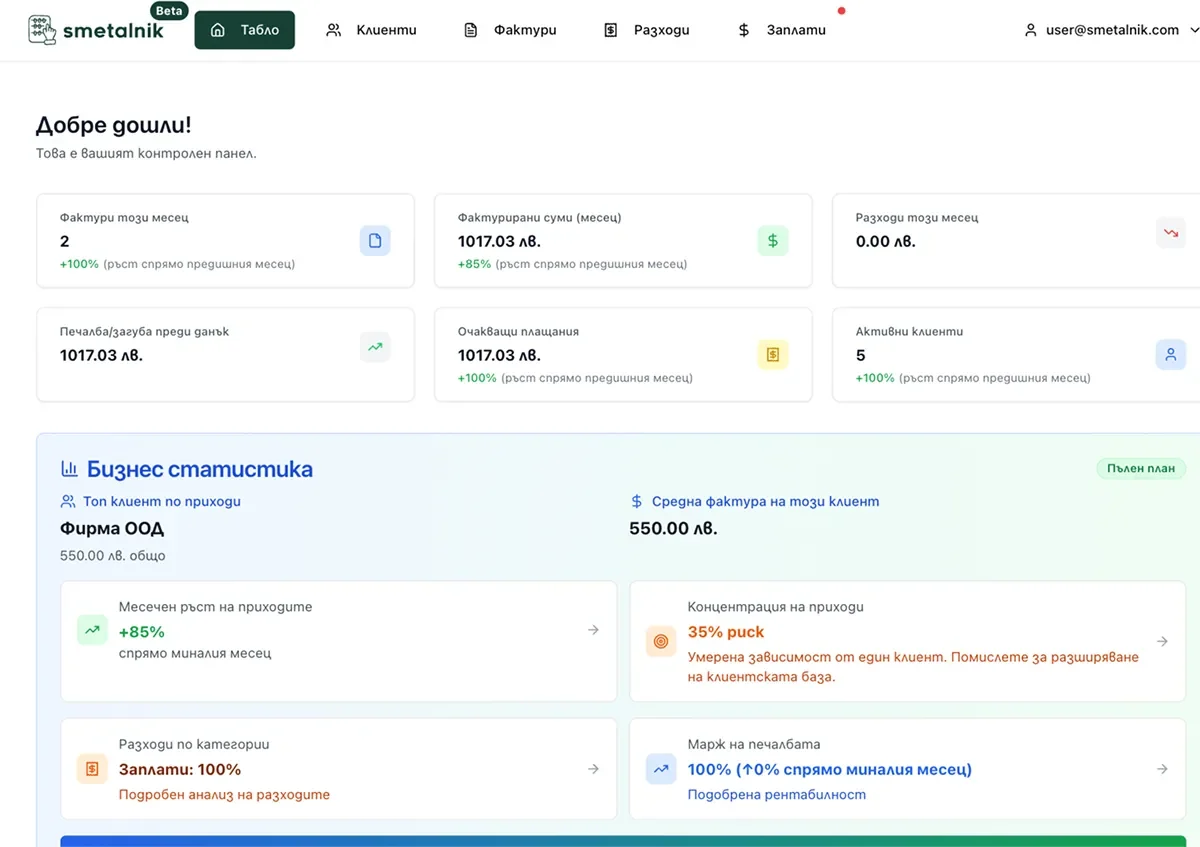
Cloud-Based Accounting: Cloud accounting solutions provide real-time turnover monitoring, automated VAT calculations, and digital record storage that meets Bulgarian tax authority requirements.
Common Mistakes to Avoid
Threshold Monitoring
Many beauty professionals fail to properly monitor their turnover throughout the year. Keep detailed monthly records to avoid missing the mandatory registration deadline.
Mixed Client Base
If you serve both individual consumers and business clients, ensure you apply correct VAT treatment to each category. B2B services to VAT-registered EU businesses may qualify for reverse charge treatment.
Product vs. Service Classification
Be clear about whether you’re providing services, selling products, or both, as this affects your VAT obligations and rates applied.
Future Developments and Staying Compliant
The Bulgarian VAT system continues to evolve, with recent threshold changes demonstrating the importance of staying informed about regulatory updates. Beauty professionals should:
- Regularly review official announcements from the Bulgarian National Revenue Agency
- Consult with qualified tax advisors for complex situations
- Maintain accurate records regardless of current VAT registration status
- Plan for potential future threshold changes
Conclusion
Understanding VAT obligations is essential for beauty professionals operating in Bulgaria, whether as freelancers or salon owners. With the current threshold set at BGN 100,000 annually, many professionals will need to register for VAT and comply with monthly reporting requirements.
The key to successful VAT compliance lies in proper record-keeping, understanding your client base, and staying informed about regulatory changes. While the administrative burden may seem daunting, proper VAT management ensures legal compliance and can provide business advantages through input VAT recovery.
For complex situations or specific advice tailored to your beauty business, consider consulting with a qualified Bulgarian tax advisor who can provide guidance based on your unique circumstances and business model. This investment in professional advice often pays for itself through proper tax planning and compliance assurance.