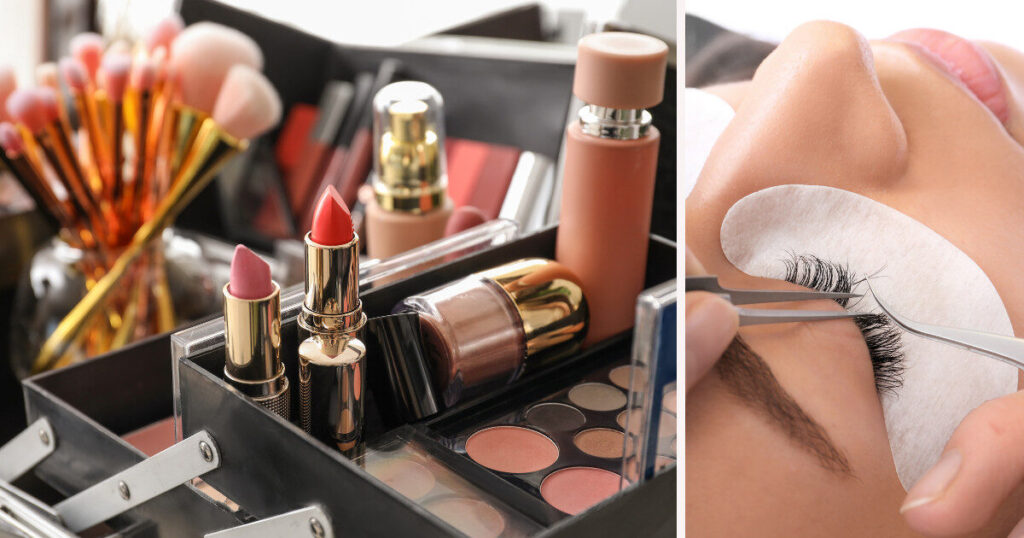
Bulgaria presents a promising landscape for beauty freelancers due to its flourishing industry and advantageous tax policies. To legally operate as a freelancer in this sector, encompassing services such as hairdressing, makeup artistry, nail services, and esthetics, adherence to specific registration, tax, and legal prerequisites is essential. This comprehensive guide elucidates the necessary steps for registration, tax management, and optimal business structure selection. This article offers practical guidance applicable to both Bulgarian citizens and EU nationals relocating to Bulgaria, facilitating success in this dynamic market.
Why Choose Bulgaria for Your Beauty Freelance Career?
Bulgaria offers a compelling option for beauty freelancers seeking a cost-effective and business-friendly environment. Its flat 10% personal income tax, among the lowest in the EU, coupled with simplified 25% expense deductions, significantly eases the tax burden. The country’s affordable living costs and rising demand for beauty services, particularly in Sofia, Plovdiv, and Varna, provide a solid foundation for career growth. Furthermore, EU citizens benefit from straightforward residency and self-employment registration processes.
Understanding the Legal Framework for Beauty Freelancers
In Bulgaria, beauty freelancers generally operate as self-employed individuals (SOL) or under civil contracts. However, professions like hairdressing and esthetics are often classified as “patent activities,” mandating specific tax registration with the local municipality. It’s important to note that beauty services may not always qualify as a “free profession,” unlike roles such as doctors or lawyers, making understanding these legal distinctions crucial for compliance.
Key Legal Requirements
To operate legally as a freelance beauty professional, several key requirements must be met. These include:
- Registering with the BULSTAT Register to obtain a unique identification code (EIK).
- Notifying the National Revenue Agency (NRA) of your freelance activity.
- Registering for patent tax with your local municipality if your profession qualifies as a patent activity.
- Compliance with social security and health insurance contributions.
- Registering for VAT if your annual turnover exceeds BGN 100,000 (approximately EUR 51,000).
Hiring a professional accountant is highly recommended to ensure compliance, as beauty freelancers face unique tax considerations compared to other professions.
Step-by-Step Guide to Registering as a Beauty Freelancer
Step 1: Establish Residency in Bulgaria
If you’re an EU citizen, you can stay in Bulgaria for up to three months without a visa. To freelance long-term, you must apply for a residence permit within this period. Non-EU citizens require a long-term residency permit, which is more complex and may involve proving financial stability or business intent.
Required Documents for EU Citizens:
- Valid passport or ID.
- Proof of accommodation (rental agreement or notarized declaration from the landlord).
- European Health Insurance Card or private health insurance.
- Proof of sufficient financial resources (e.g., bank statement showing at least the Bulgarian minimum wage, around BGN 933 in 2025).
- Address registration with the Directorate “Migration” at the Ministry of Interior Affairs.
The residence permit process typically takes about one week, granting a five-year permit for EU citizens.
Step 2: Register with the BULSTAT Register
Freelancers, including beauty professionals, are required to register with the BULSTAT Register at the Registry Agency to obtain an EIK, which serves as identification for business activities for tax and legal purposes.
Process:
- Submitting an application (Form A1 for individuals) in person or online via the Registry Agency’s website with an electronic signature.
- Providing your ID, proof of residency, and a diploma or certificate proving your qualifications in beauty services (e.g., hairdressing or esthetics training).
- Paying a small fee (BGN 15 for electronic submission, BGN 30 in person).
Registration is usually processed within two business days.
Step 3: Register with the National Revenue Agency (NRA)
Following the BULSTAT acquisition, registration with the National Revenue Agency (NRA) within seven days is mandatory for freelancers. This establishes self-employed status for tax and social security declarations.
Required Documents:
- Declaration of registration as a self-employed person.
- BULSTAT registration certificate.
- ID or residence permit.
During registration, a social security scheme must be selected: either full coverage (pension, health, and maternity benefits) or partial coverage (excluding maternity benefits, reducing contributions by 3.5%). Registration can be completed online via electronic signature or in person at the NRA’s territorial directorate.
Step 4: Register for Patent Tax (If Applicable)
Depending on your municipality and profession (e.g., hairdressing, nail services, or esthetics), you may be required to register for a patent tax under the Local Taxes and Fees Act by filing a Patent Declaration. The patent tax is a fixed annual amount, varying by municipality and profession, and replaces the standard 10% income tax for these activities.
Example:
- In Sofia, the patent tax for hairdressers ranges from BGN 500 to BGN 1,500 annually, depending on the business location.
- Check with your municipality for specific rates and requirements.
If your turnover exceeds BGN 100,000 or you work with EU clients, you may need to register for VAT instead, applying a 20% tax rate to your services.
Step 5: Open a Bank Account
Opening a personal bank account in Bulgaria, while optional, streamlines tax payments and invoicing processes for freelancers. Utilizing a personal account is common practice, as a dedicated business account is only necessary upon formal company registration.
Step 6: Maintain Compliance with Tax and Insurance Obligations
Beauty freelancers are obligated to maintain strict compliance with Bulgarian tax and insurance regulations. This includes:
- Paying social security and health contributions monthly (approximately 27.8% of your declared income, capped at BGN 3,400 monthly in 2025).
- Filing quarterly advance income tax declarations (except for the fourth quarter) if you’re not under the patent tax regime.
- Submitting an annual tax return by April 30 of the following year.
- Issuing invoices with your EIK, client details, and service description.
For patent activities, you pay the fixed patent tax annually or in installments, avoiding the need for quarterly declarations.
Choosing Between Self-Employed and Company Registration
Beauty freelancers can operate as self-employed individuals or register a limited liability company (EOOD). Each option has pros and cons.
Self-Employed (SOL)
Advantages:
- Simpler registration and lower setup costs.
- 25% of legally recognized expenses reduce taxable income.
- Straightforward deregistration process.
- Ideal for solo freelancers with modest expenses.
Disadvantages:
- Full personal liability for business debts.
- Higher social security contributions based on income.
- Limited access to financing or loans.
Limited Liability Company (EOOD)
Advantages:
- Limited liability protects personal assets.
- Professional image for attracting larger clients.
- Lower social security contributions (fixed at the minimum insurance income).
- Better access to financing.
Disadvantages:
- More complex setup (requires BGN 2 minimum capital and registration with the Commercial Register).
- Higher accounting costs due to double-entry bookkeeping.
- 10% corporate tax on profits, plus 5% dividend tax if you withdraw earnings.
For most beauty freelancers, self-employed status is sufficient unless you plan to scale your business, hire employees, or work with international clients requiring a formal company structure.
Tax Benefits and Obligations for Beauty Freelancers
In Bulgaria, beauty freelancers benefit from a favorable tax system, which is freelancer-friendly, with a flat 10% income tax rate and automatic 25% expense deductions for self-employed individuals. For example, if you earn BGN 2,000 monthly:
- Deduct 25% (BGN 500) as recognized expenses.
- Subtract social security contributions (approximately BGN 556).
- Pay 10% tax on the remaining BGN 944, resulting in BGN 94.40 in income tax.
- Effective tax rate: around 7.5% of total income.
While patent tax offers further simplification, eligibility must be verified locally. VAT registration becomes mandatory upon exceeding BGN 100,000 in turnover or providing services to EU-based clients, necessitating diligent invoicing and reporting practices.
Tips for Success as a Beauty Freelancer in Bulgaria
To thrive as a beauty freelancer in Bulgaria, several key strategies are crucial:
- Hire an Accountant: Tax and patent regulations can be complex. An accountant ensures compliance and optimizes your tax strategy.
- Learn Basic Bulgarian: While not mandatory, basic Bulgarian helps with administrative tasks and client communication.
- Network Locally: Join beauty industry groups or attend trade shows in Bulgaria to build your client base.
- Use Digital Tools: Platforms like Solar Staff or Useme simplify invoicing and payments for international clients.
- Stay Compliant: Missing tax or insurance deadlines can result in fines (e.g., BGN 500 for late tax returns).
By implementing these measures, beauty freelancers can establish a successful and sustainable practice in Bulgaria.
Conclusion
Becoming a registered beauty freelancer in Bulgaria presents a clear path to tax benefits and operational freedom. The process involves establishing residency, registering with the BULSTAT Register and the National Revenue Agency (NRA), and adhering to patent tax or Value Added Tax (VAT) obligations, all of which legitimize your beauty business operations. The choice between operating as a self-employed individual or forming a company hinges on factors such as income level, expansion strategies, and personal liability considerations. With meticulous planning and guidance from local professionals, Bulgaria offers a promising foundation for a freelance beauty career.
To ensure full compliance with Bulgarian regulations, seeking personalized advice from a local accountant or legal expert is highly recommended. Embrace the opportunities that Bulgaria’s freelancer-friendly environment provides, and embark on your journey towards a thriving beauty business.