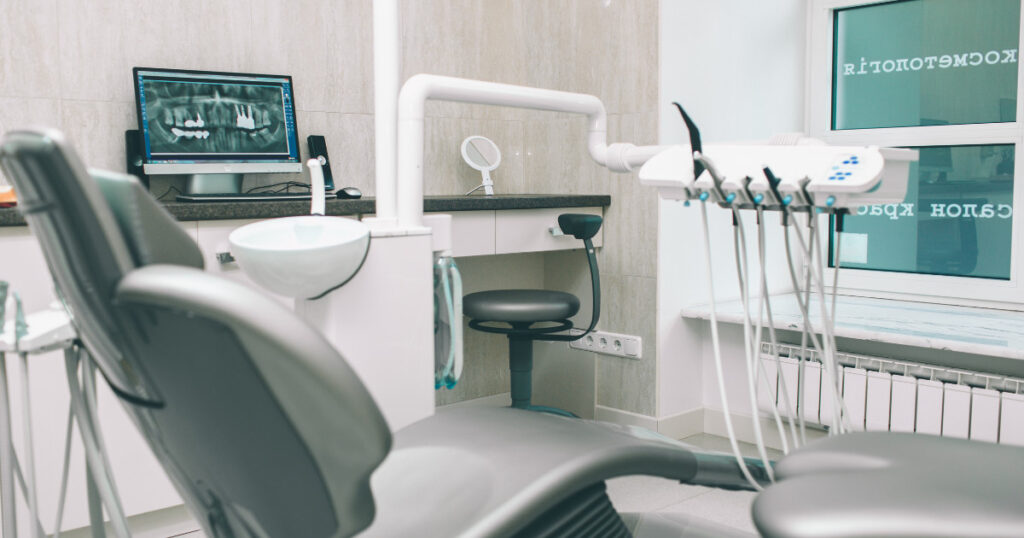
Managing a dental practice is a dynamic process that combines high-level medical expertise with the responsibilities of a real business. Every dentist who decides to work independently quickly realizes that, besides caring for patients’ health, they must also handle mountains of paperwork, specific tax laws, and strict requirements from state institutions.
In Bulgaria, dental services fall under the category of medical services, which makes them different from standard trade. Properly structuring your accounting is crucial – not only to avoid fines from the National Revenue Agency (NRA) but also to optimize your expenses and grow your practice sustainably.
Choosing a Legal Form – Where is the Catch?
The first step is to decide how to register. Most dentists choose between two options:
- Freelance Professional (Self-employed): This is the easiest way to start. The advantage is that the state “automatically” recognizes 25% of your income as expenses, without the need to provide invoices for them. The tax is 10% on the remaining 75%. This model is suitable for small practices with minimal costs for materials and equipment.
- Ambulatory Practice as an LLC (EOOD/OOD): If you plan to purchase expensive equipment (X-rays, lasers, dental chairs) and hire staff, a company is the better option. Here, taxation is based on actual profit (income minus all documented expenses) with a 10% corporate tax rate.
VAT Specifics: The Risk of Registration under Art. 97a
Many dentists believe that VAT does not affect them because medical services are exempt from this tax. This is true for the services you provide to patients, but there are two important exceptions:
- Import of Services from Abroad (Art. 97a): If you use specialized software (e.g., for digital X-rays), or advertise on Facebook or Google, you are required to register for VAT under a special article. This does not give you the right to a tax credit (VAT refund), but it obliges you to file declarations every month.
- Commercial Activity: If you sell toothbrushes, toothpaste, or other cosmetic oral hygiene products in your office, this is considered a commercial activity. If the turnover from these sales exceeds 100,000 BGN, you will need to register for VAT under the general rules.
Working with the NHIF (National Health Insurance Fund)
If your practice works with the National Health Insurance Fund (NHIF/НЗОК), accounting becomes a bit more complex. Payments from the NHIF usually arrive with a delay relative to the performed work, which requires precise tracking of cash flows.
- It is essential that monthly reports to the NHIF exactly match the issued invoices or cash receipts.
- Your accountant must monitor limits and specifications to ensure there are no discrepancies during the annual closing.
Deductible Expenses: How to Legally Pay Less Tax?
Dentistry involves high investment costs. To reduce taxable profit, you can claim the following as expenses:
- Fixed Assets: Dental chairs, autoclaves, panoramic X-rays, and any medical equipment. These are depreciated (the cost is spread) over a certain number of years.
- Supplies: All materials – from anesthetics and composites to gloves and masks.
- Training and Congresses: Continuing professional development courses in the country and abroad are fully recognized expenses, including travel and stay.
- Staff: Salaries, bonuses, and social security contributions for dental nurses, assistants, and cleaners.
Social Security for the Dentist
As a practice owner, you are a “self-insured person.” You owe contributions for pension and health insurance every month. At the end of the year, a so-called “annual reconciliation” is made. If your actual income was higher than predicted, you will have to pay additional contributions all at once – this is the moment where good communication with your accountant will save you from financial surprises.
Why Do You Need Professional Accounting Help?
Many dentists try to manage their own accounting or use simple software, but the specifics of medical law and tax requirements are too complex. A professional accountant will help you:
- Choose the most tax-efficient structure so you don’t overpay.
- Monitor VAT regulations when purchasing equipment from Germany, Italy, or China.
- Manage NHIF documentation without errors.
- Provide security during NRA audits, which often focus on cash availability and material inventory.
Accounting services for dentists are an investment that allows you to return to what you were trained for – treating patients – while the financial health of your practice is in safe hands.
Final Thoughts
The world of dentistry is becoming increasingly digital – from e-prescriptions to digital impressions. Accounting must follow suit. Early consultation and good organization of documents will save you time, stress, and money in the long run.
Disclaimer: This article is for informational purposes and does not constitute legal or tax advice. For personalized guidance, consult a qualified accountant or tax consultant.